




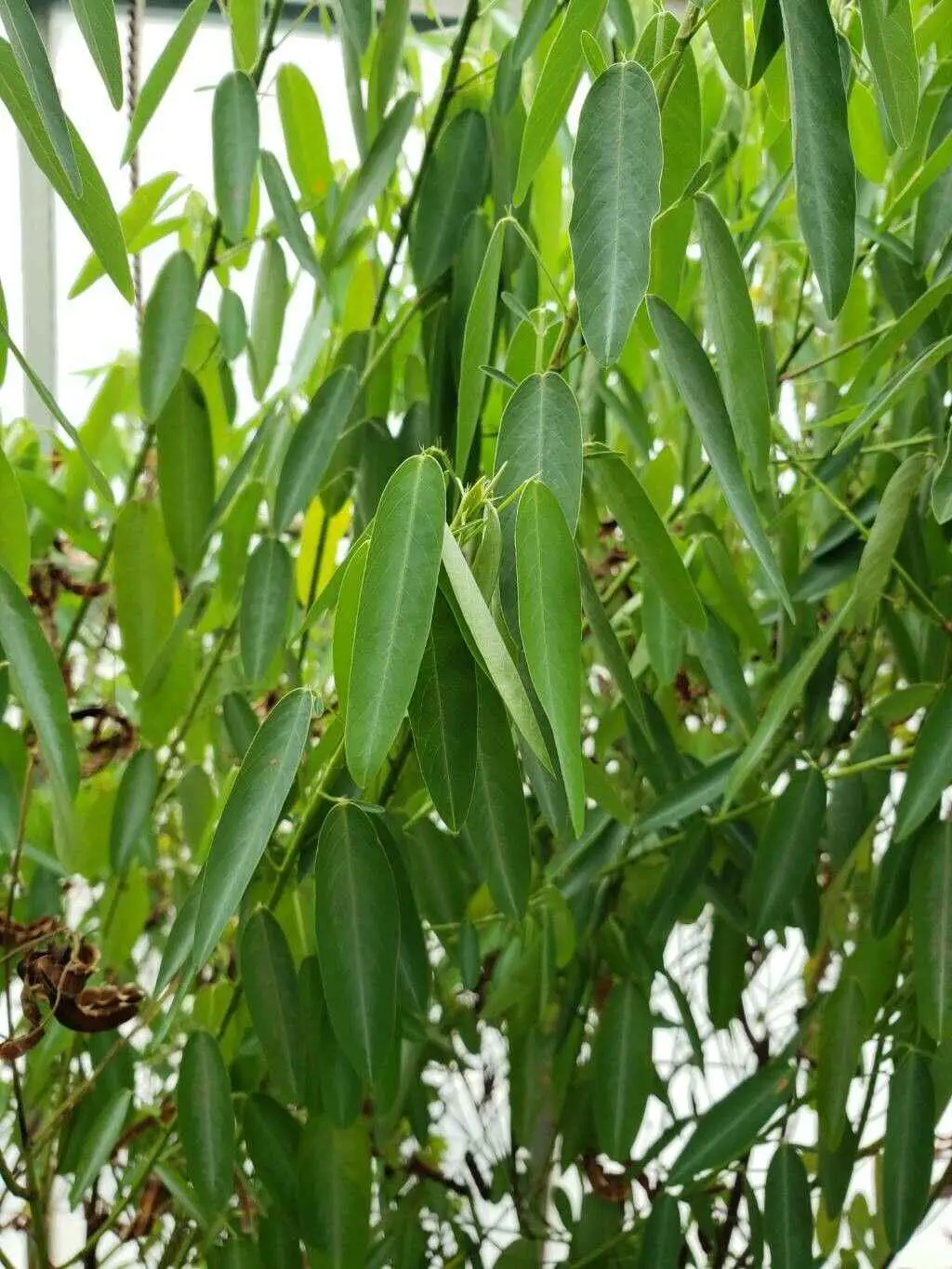
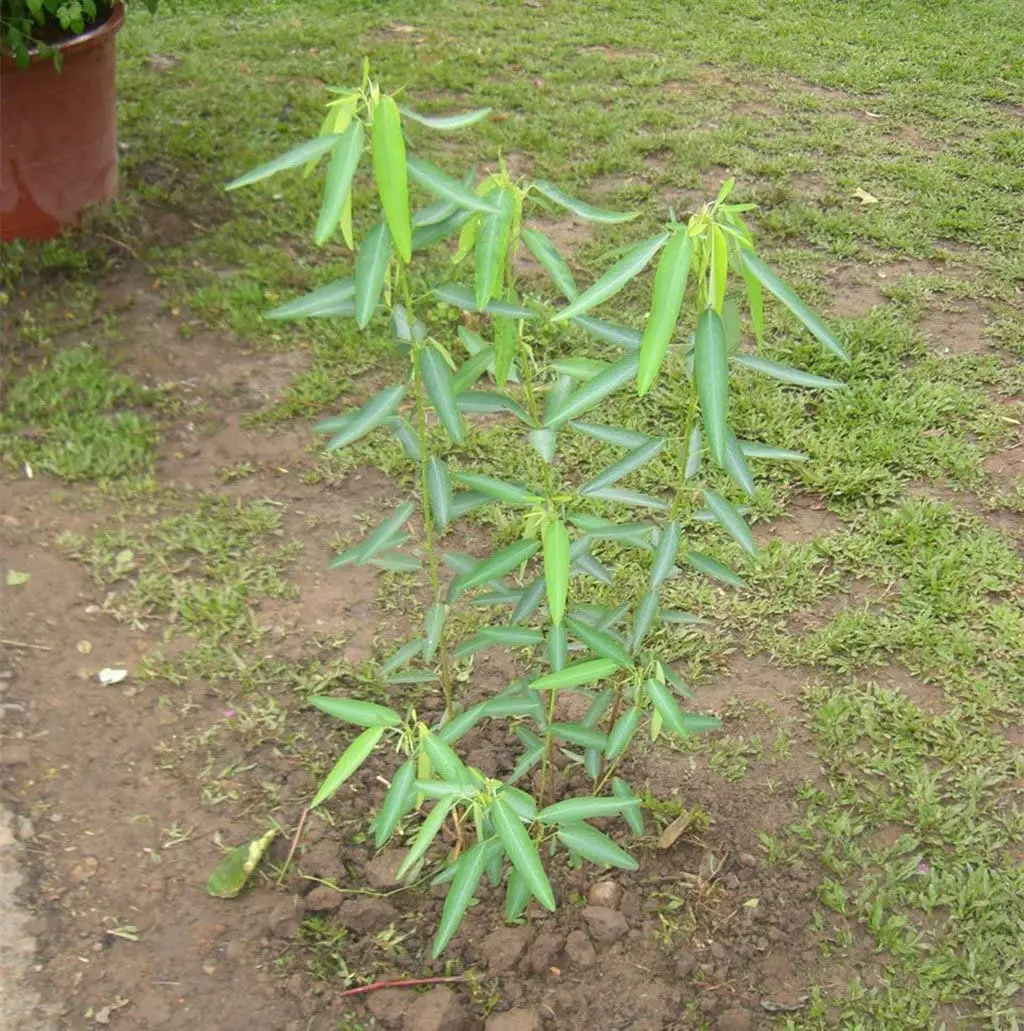
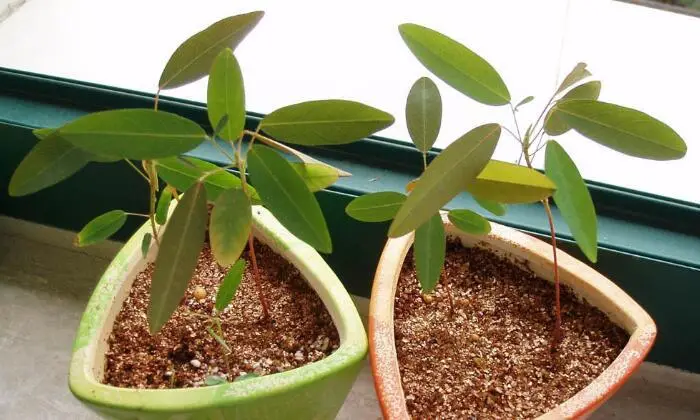
Witness the botanical impossible: leaves that move in real-time, gyrating in rhythmic ellipses as light touches them—no touch needed. The motion occurs in daylight hours when the temperature is above 22° C. The plant can be enticed into moving with music. Grow this living curiosity indoors or in warm climates (zones 10–11). Easy to grow if provided with adequate light and constant waterin
€1.92
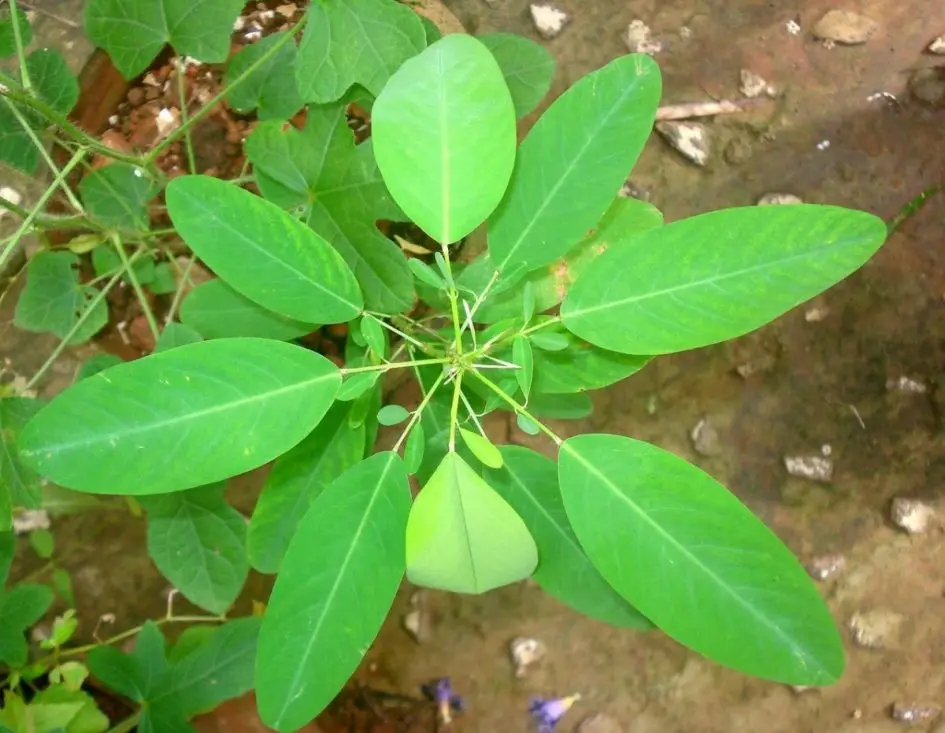
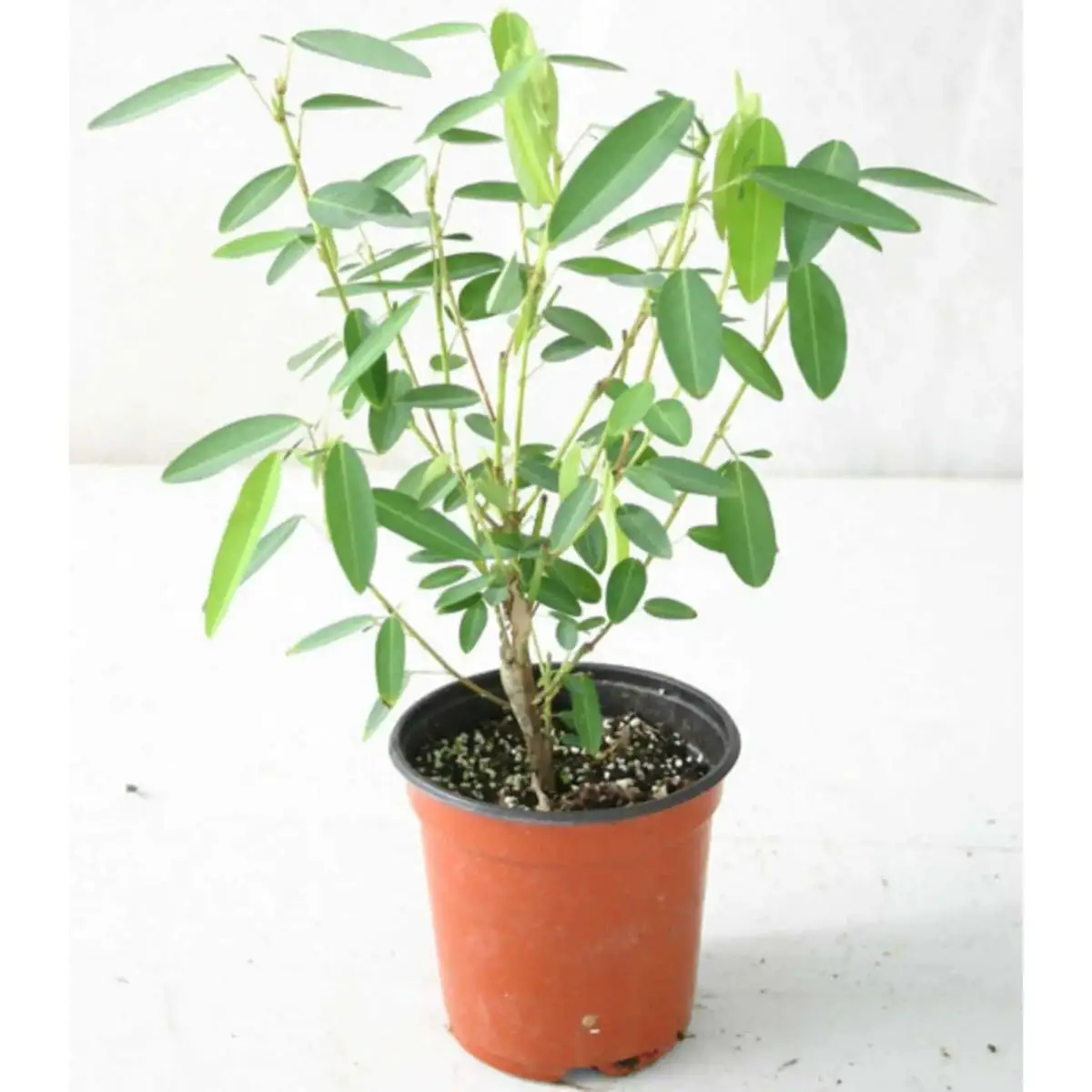
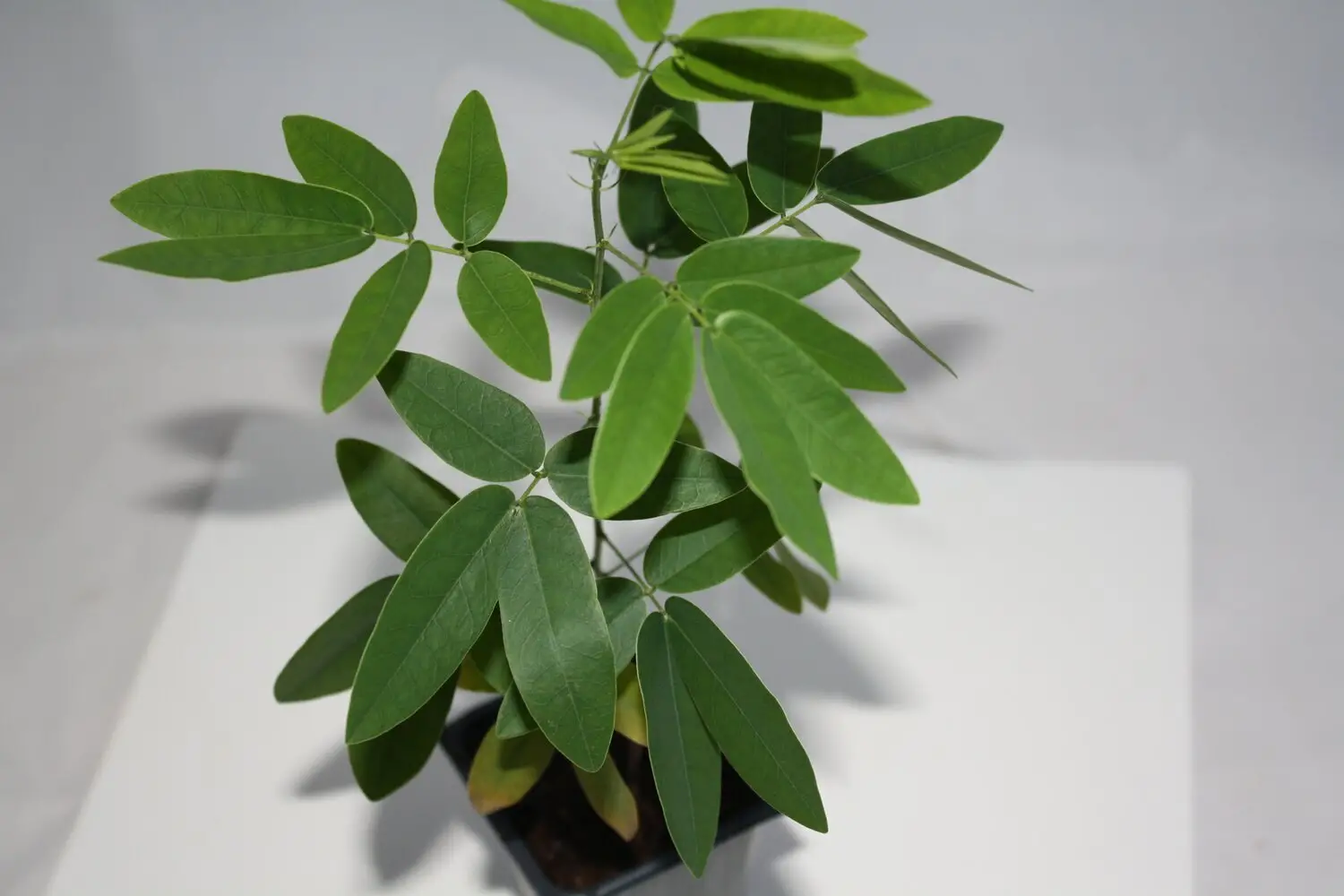
Codariocalyx motorius, known as the telegraph plant, dancing plant, or semaphore plant, is a tropical Asian shrub in the pea family (Fabaceae), one of a few plants capable of rapid movement; others include Mimosa pudica, the venus flytrap and Utricularia. This is no ordinary houseplant. This is botanical theater.
Native to Southeast Asia, typically found thriving and jiving in many tropical countries such as Bangladesh, India, Laos, Thailand, Sri Lanka and more. It has fascinated botanists for centuries, including Charles Darwin, who immortalized its movements in one of his final books. The Telegraph Plant carries centuries of wonder in every leaf.
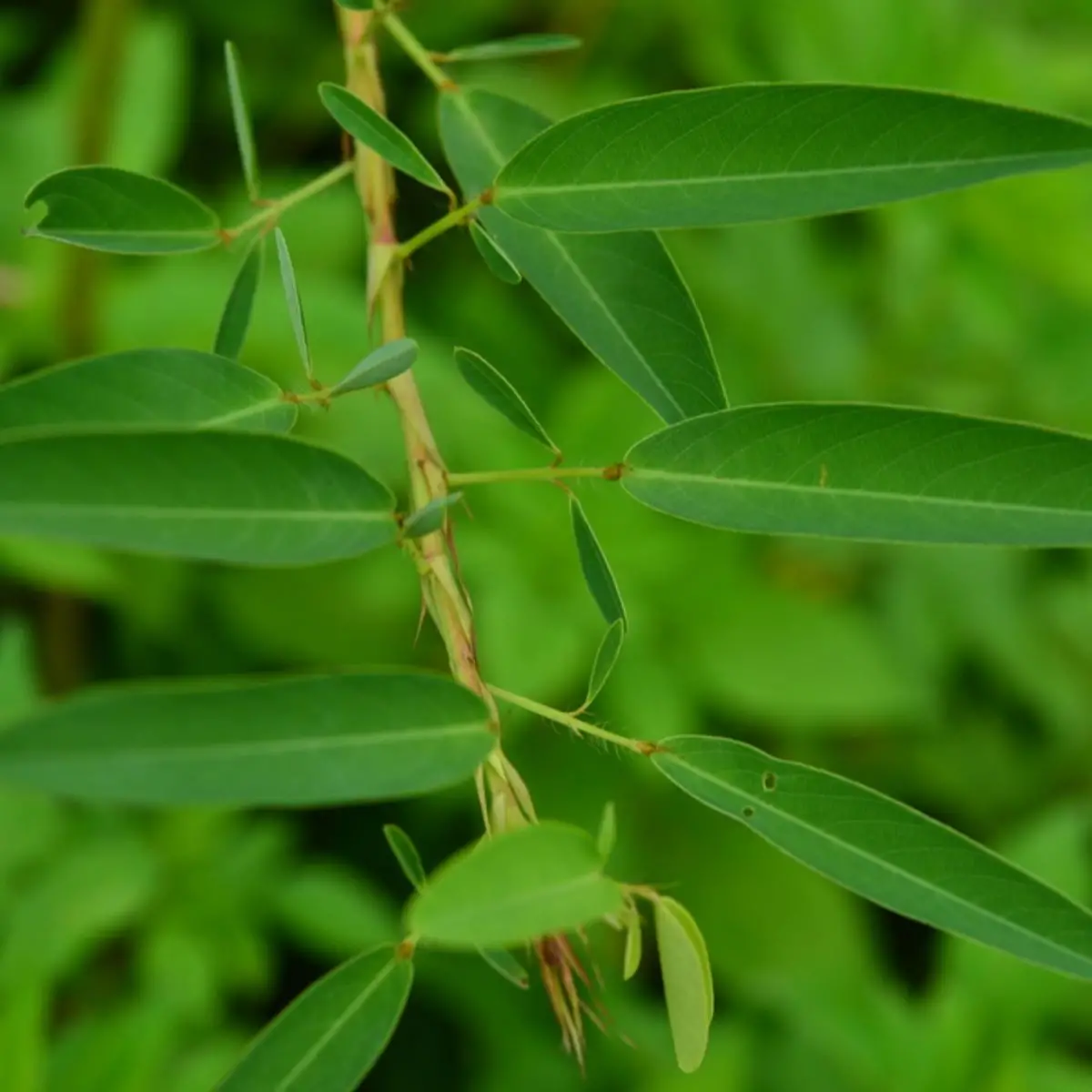
Here is what makes this plant irresistible: the visible, real-time leaf movement that defies expectation. The larger terminal leaflets move up and down throughout the course of a day but its smaller lateral leaflets exhibit rhythmic movements on the scale of minutes. Desmodium gyrans displays leaf movements every 3-4 minutes. Watch the two tiny side leaflets rotate in elliptical patterns—so fast your eye catches every motion. Many sources claim that the two leaflets move on a common axis (like the blades of a kayak paddle) even though there is no rigid connection between them. The mechanism is pure plant engineering: at the base of its leaflets there sits a ring of cells called the “pulvinus.” They act a bit like water balloons and thanks to some dedicated work, it has been found that, when stimulated, these cells can quickly move water in and out via osmosis. This causes the cells to either swell or deflate and this is where the movement originates. And yes—the leaflets show an increase in movement when exposed to music. Play your favorite song and watch your plant respond. It’s not just growth; it’s dialogue between you and a living organism.
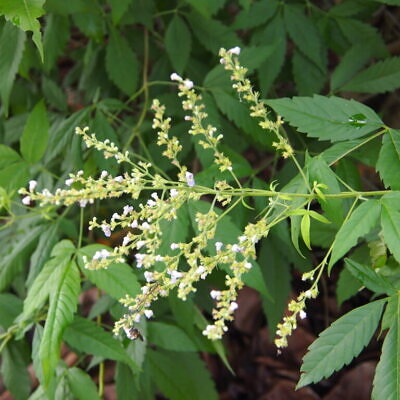
Beyond spectacle, the Telegraph Plant offers traditional use: the roots are used for Rheumatism. The plant produces purple flowers that attract bees and butterflies into the garden. Small, pinkish-purple flowers add a touch of charm to the lush green foliage. Practical beauty with medicinal heritage.
Growing the Telegraph Plant is rewarding and achievable. Thriving in well-draining soil and partial sun, this plant brings a sense of wonder to indoor spaces or tropical gardens. Bright, indirect light is ideal. Avoid direct sunlight, as it can scorch the delicate leaves. Keep the soil evenly moist but not soggy. Allow the top inch of soil to dry out between waterings. Aim for a temperature range of 65-80°F (18-27°C). The Dancing Plant thrives in humidity. Consider using a humidifier, placing the pot on a pebble tray filled with water, or grouping it with other humidity-loving plants. Seed germination requires patience and warmth: soak the seeds in warm water for one to two days to soften the outer shell, and then plant them about 3/8 inch (9.5 mm) deep and cover the container with clear plastic. Place the containers in a warm location with temperatures around 70-80°F (21-27°C) to encourage germination, which typically occurs within 2-3 weeks. The wait is worth it.
Imagine this: sunlight streams through your window. Your Telegraph Plant catches it, and suddenly—movement. Leaves dancing a silent invitation. No magic, just pure botany. Every moment you sit with this plant, you’re witnessing what Charles Darwin himself marveled at. Grow it from seed, nurture it with warmth and light, and you’ll hold one of Earth’s most extraordinary living puzzles in you
Only logged in customers who have purchased this product may leave a review.

Reviews
There are no reviews yet.