
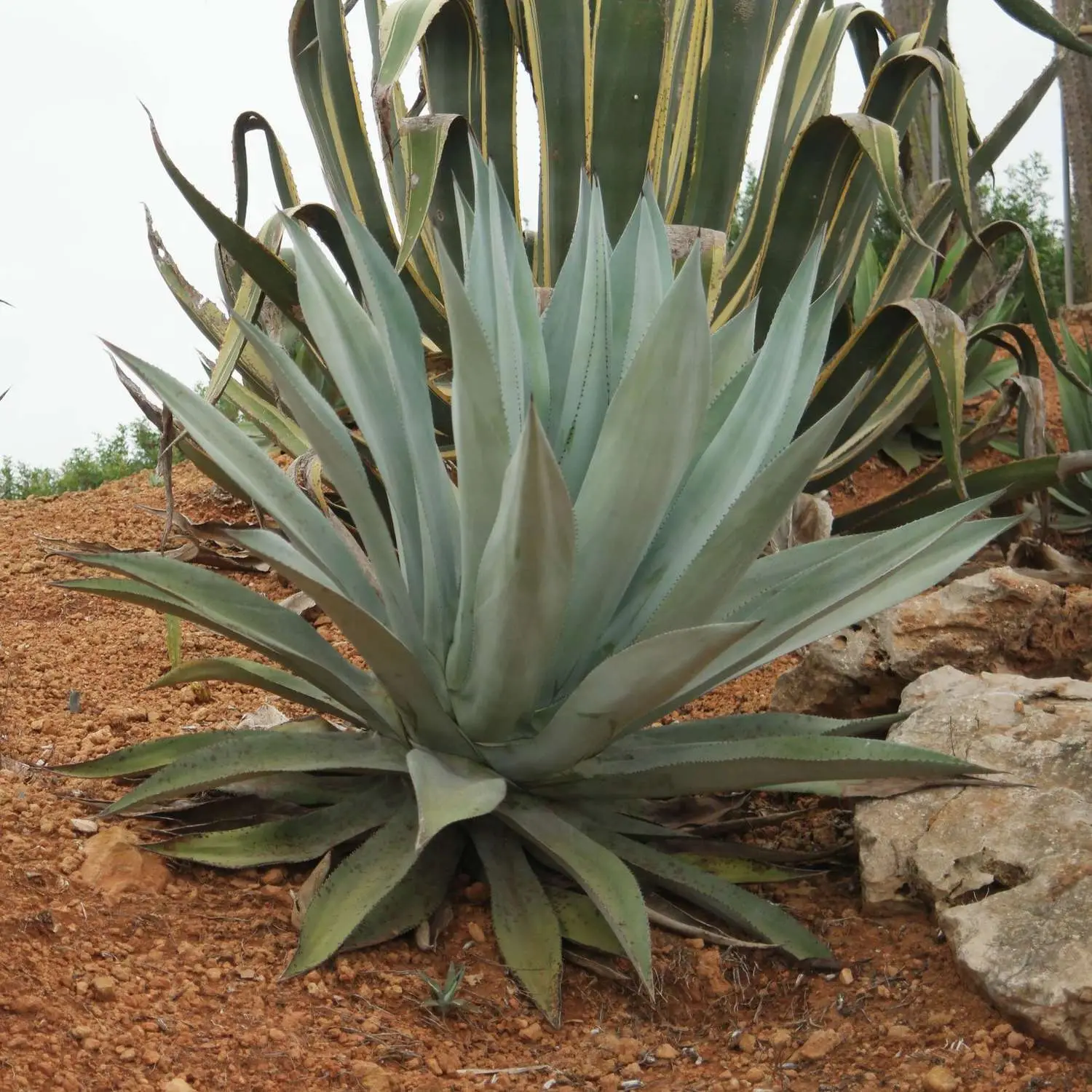
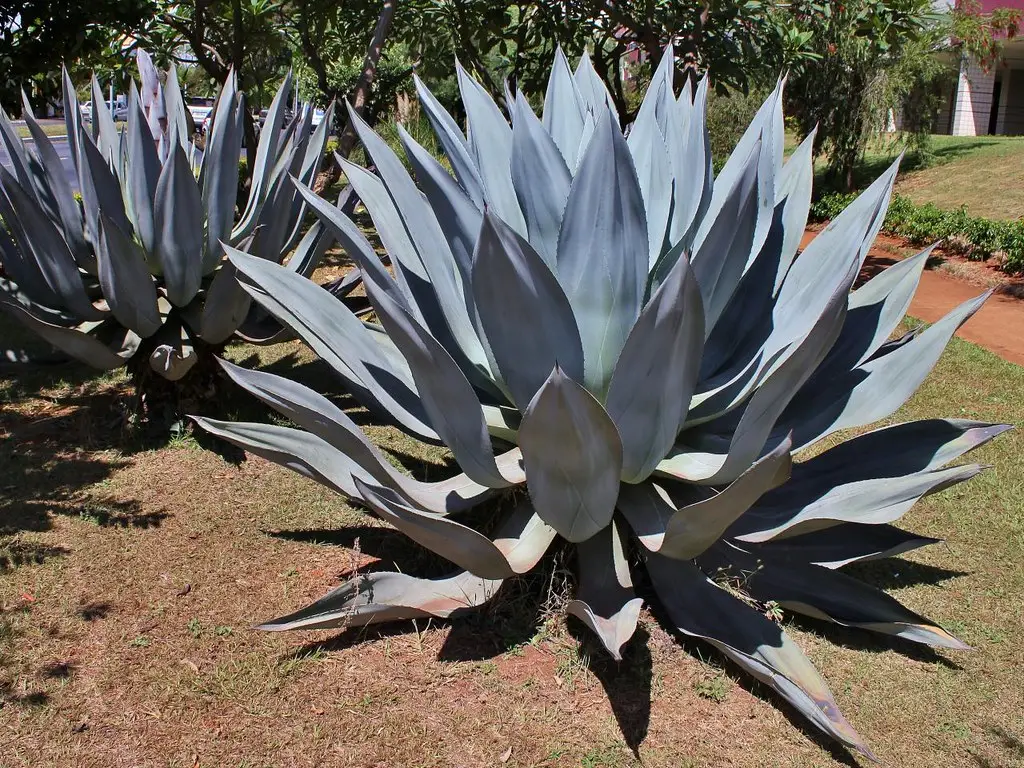
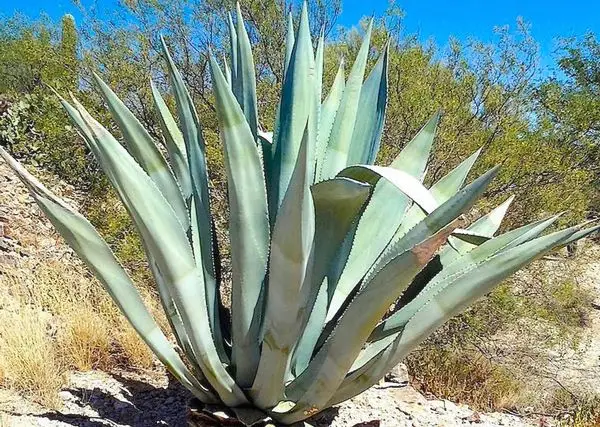
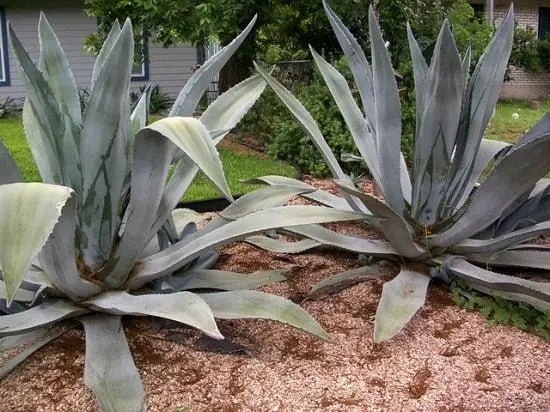
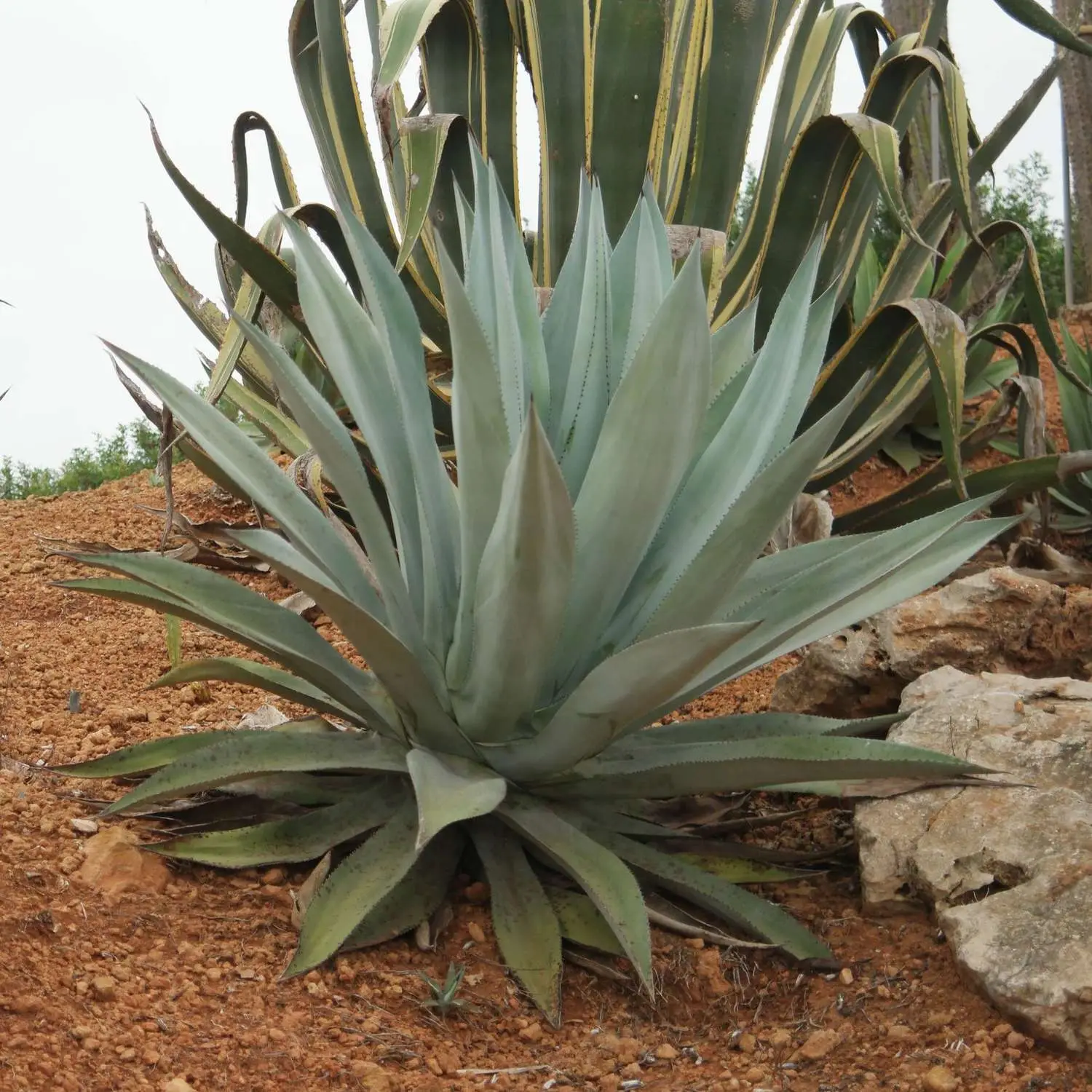
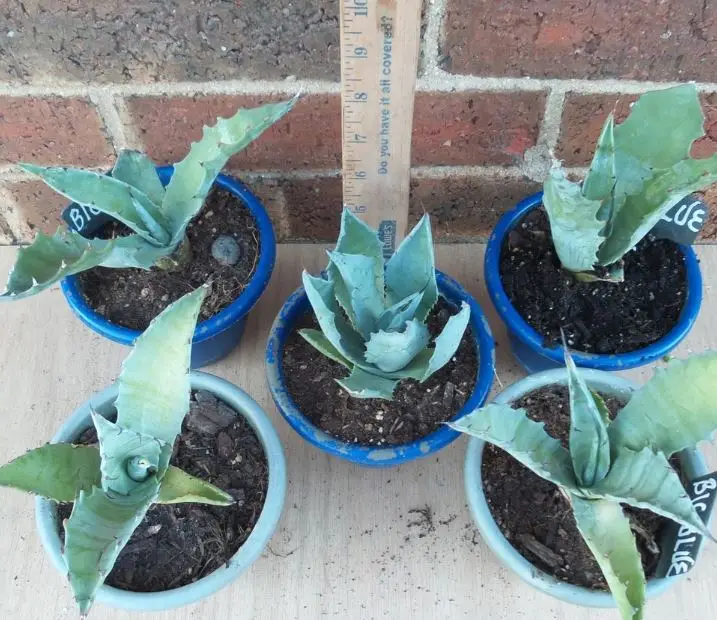
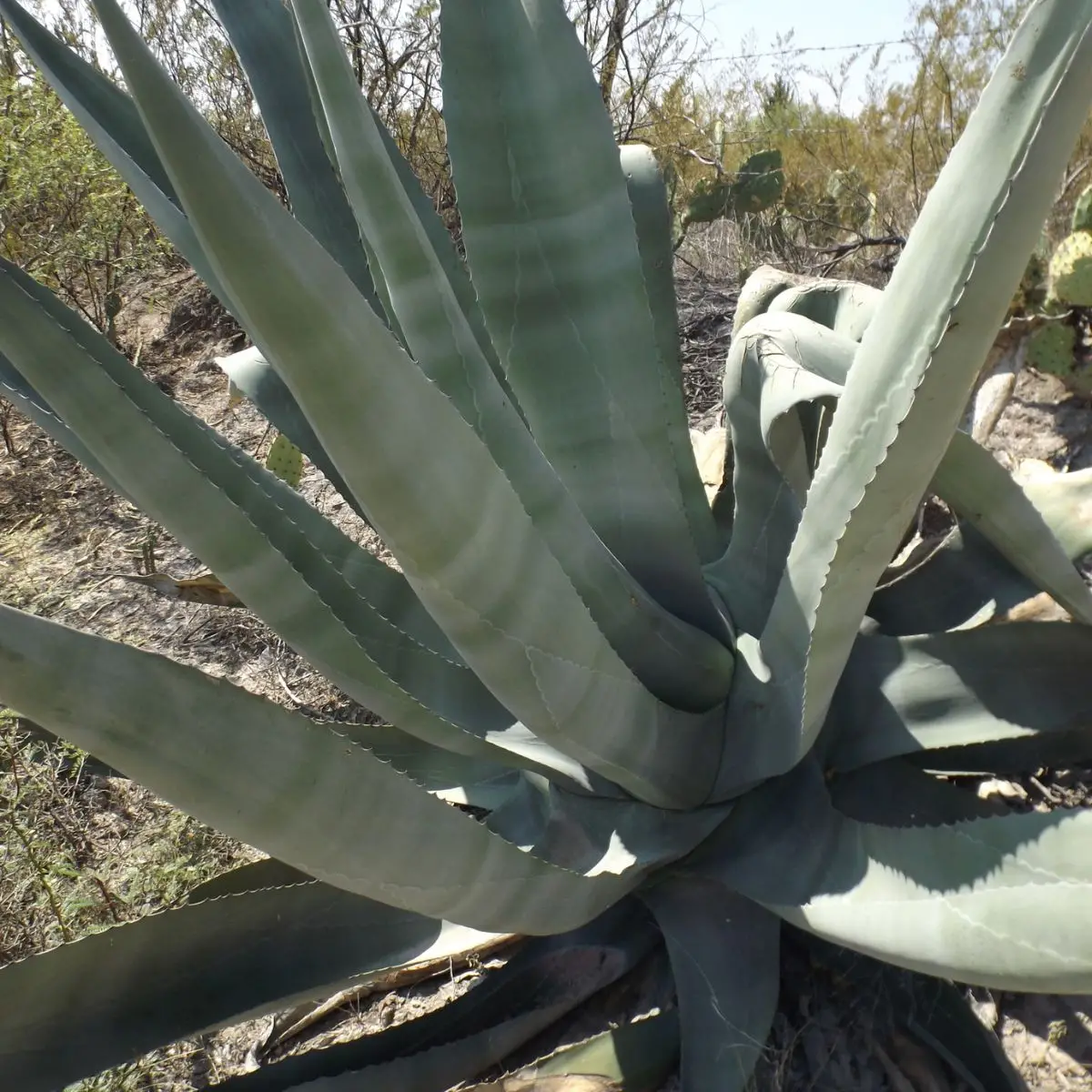
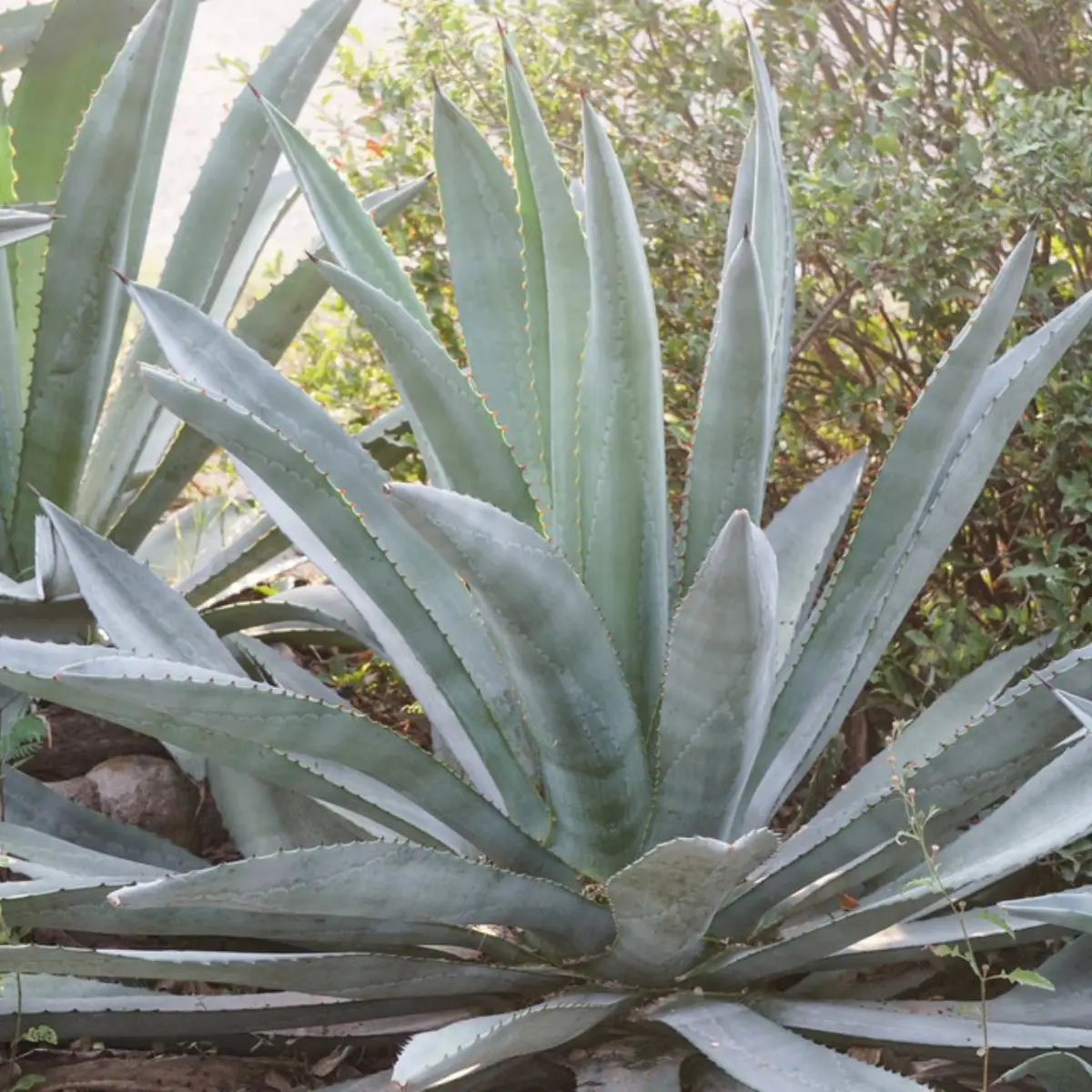
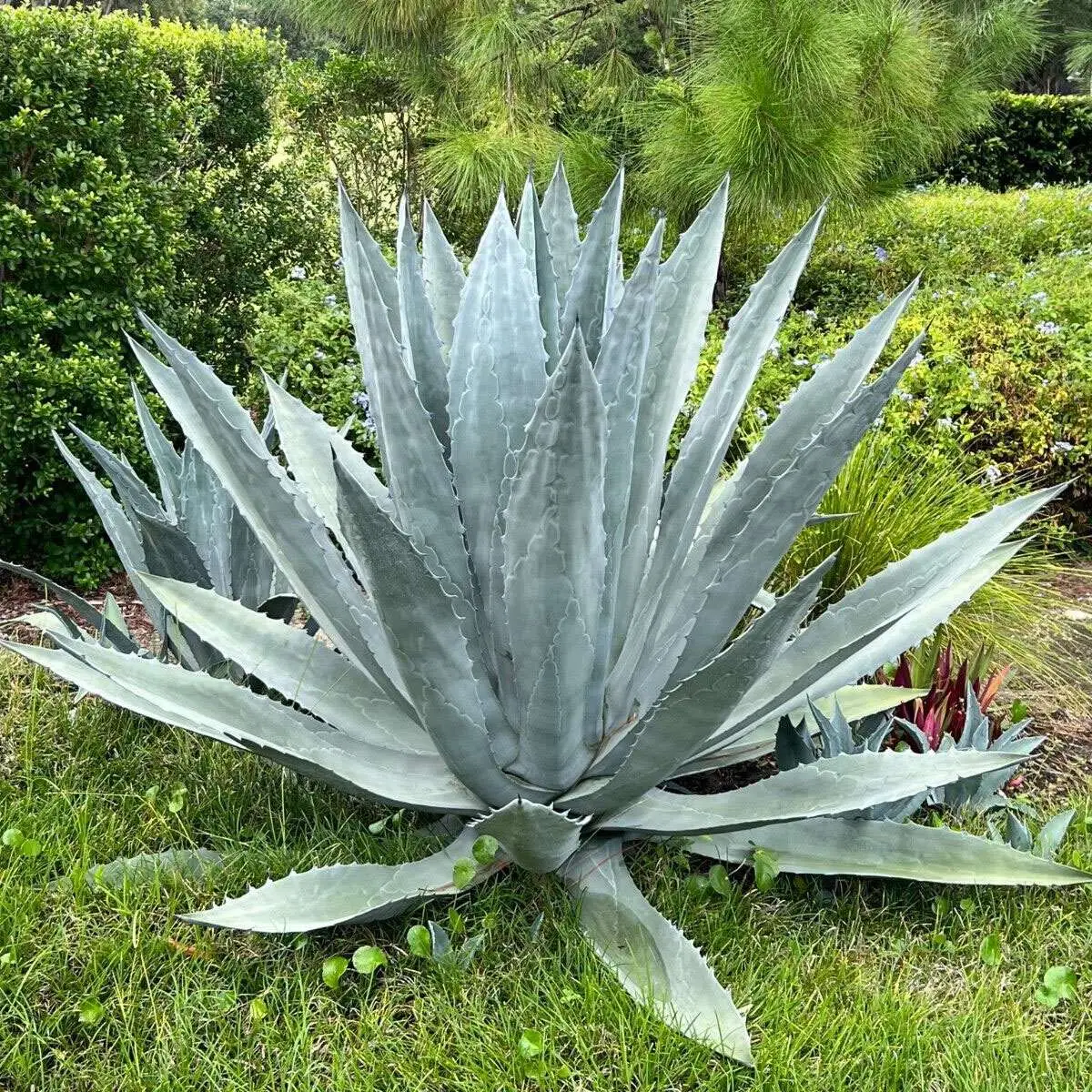
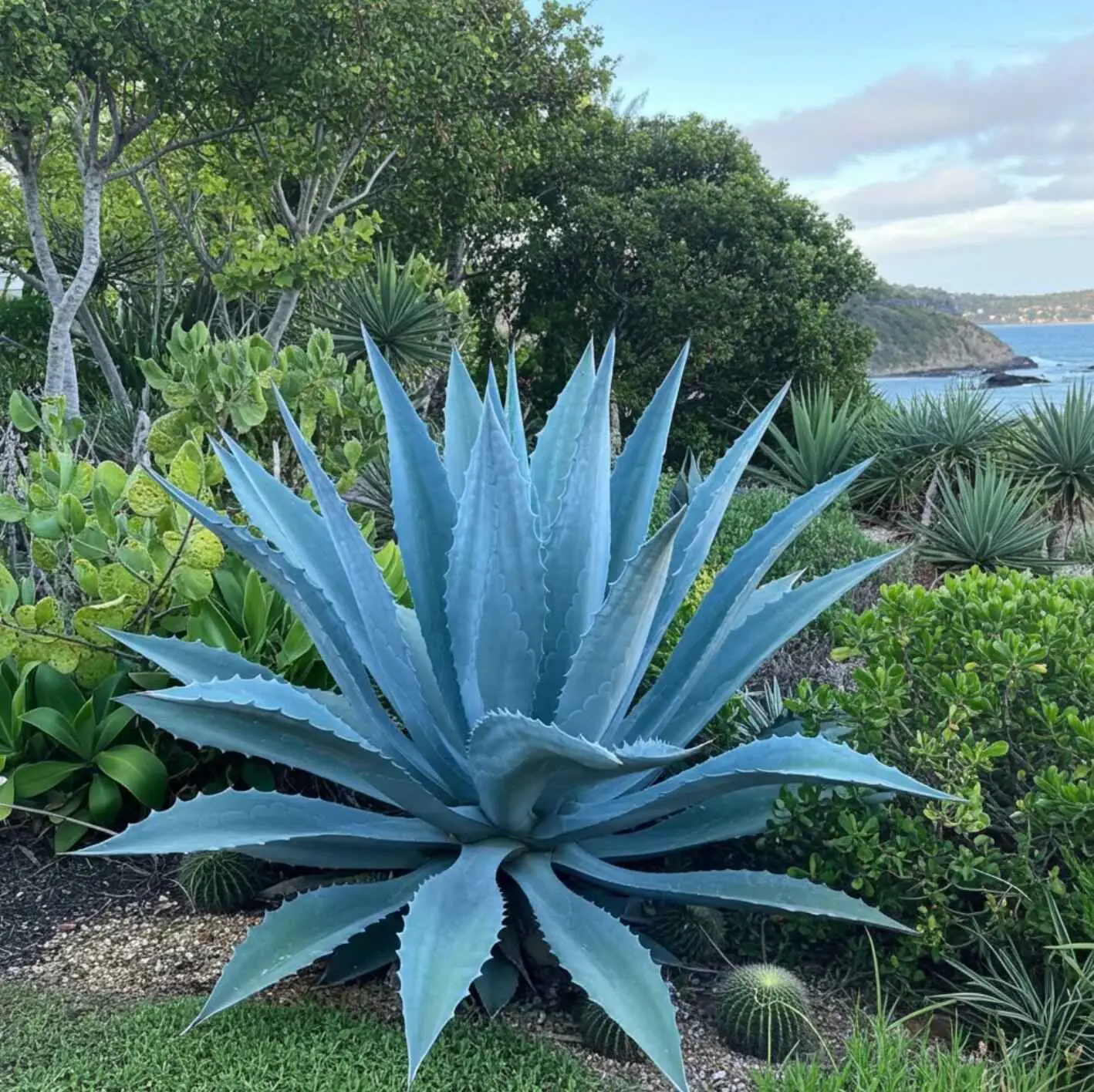
The legendary Century Plant—a living monument to Mexican heritage. Giant gray-blue rosettes explode into a 30-foot yellow-flowered cathedral after 10–25 years, but the real magic begins earlier: tap the flower stalk before bloom and collect aguamiel, the sacred sap fermented for centuries into pulque, Mexico’s ancestral fermented beverage. Also medicinal, architectural, virtually unstoppable. Easy to grow from seed in sun and well-drained soil. Start your
€1.92
This is not a plant. It’s a commitment to something primal, something your garden has been waiting for—the Century Plant, Agave americana, a living gateway to pre-Columbian Mexico and modern resilience.
Native to Mexico and the southwestern United States, Agave americana has shaped civilizations for centuries. The Aztecs revered it—not merely as a useful plant, but as sacred. The name itself comes from the Greek “agauos,” meaning “noble” or “admirable,” a title earned through sheer presence and utility. This species has naturalized across five continents: from Mediterranean gardens to Australian deserts to the roadsides of Southern California. When you grow this plant, you’re not adopting a houseplant—you’re tending a piece of global botanical history.
But here’s where Agave americana becomes irresistible: its sap is liquid gold. Before the plant flowers, cut the emerging flower stalk and the plant begins to weep aguamiel—”honey water.” This clear, sweet nectar has been fermented for over a thousand years into pulque, the traditional Mexican fermented beverage central to Aztec religious ceremonies and still consumed across Mexico today. Unlike tequila (which requires distillation and is made from blue agave), pulque is a living food—cultured, tangy, slightly viscous, packed with probiotics and B vitamins. You can tap the same plant year after year before it finally flowers and dies. Beyond pulque, the plant’s thick flower stalk and basal leaves are edible when roasted or cooked. The juice itself—rich in compounds including hecogenin—has been used in traditional medicine for centuries to treat wounds, burns, and skin irritation. Modern researchers have confirmed its antiseptic, anti-inflammatory, and wound-healing properties. The leaves also yield pita fibers, prized since pre-Columbian times for making ropes, mats, coarse textiles, and leather embroidery. This is a plant of total utility, the opposite of ornamental fluff.
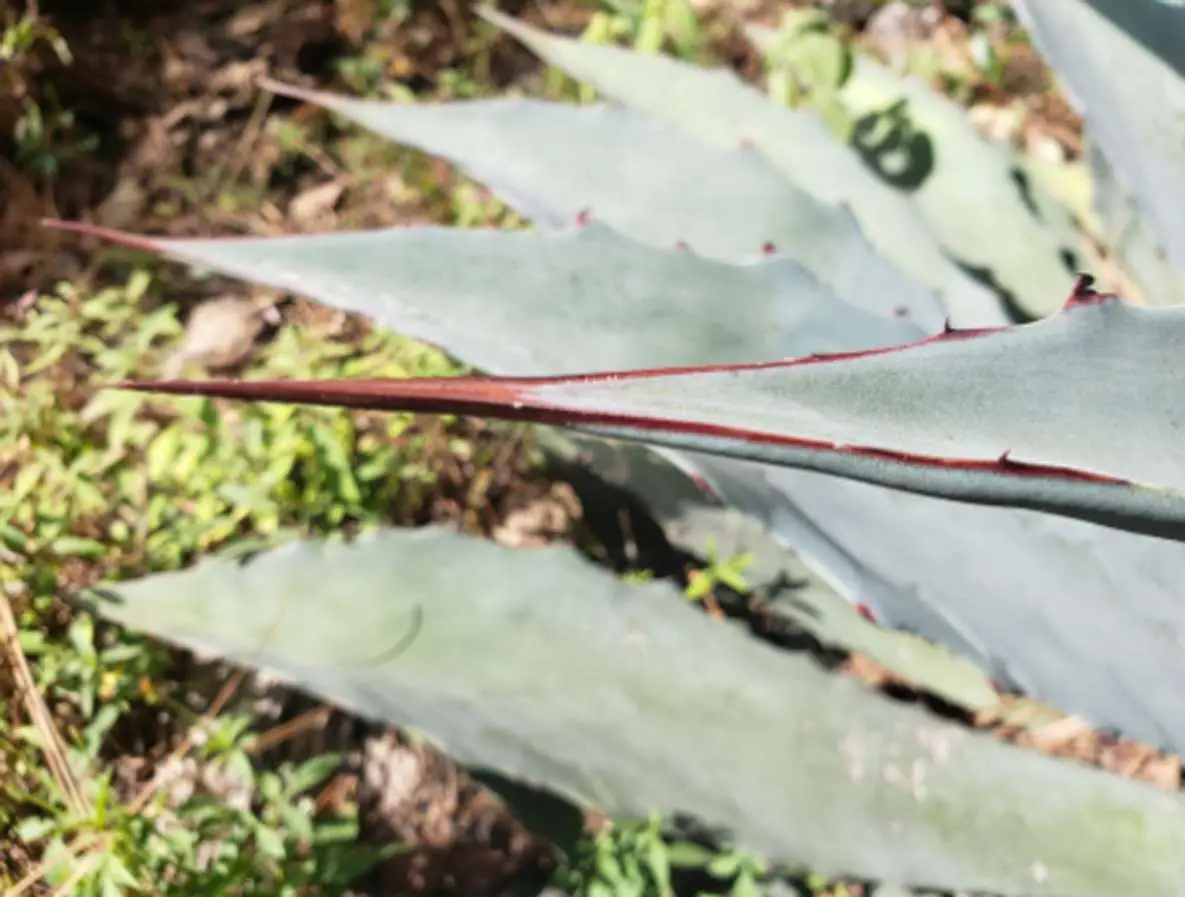
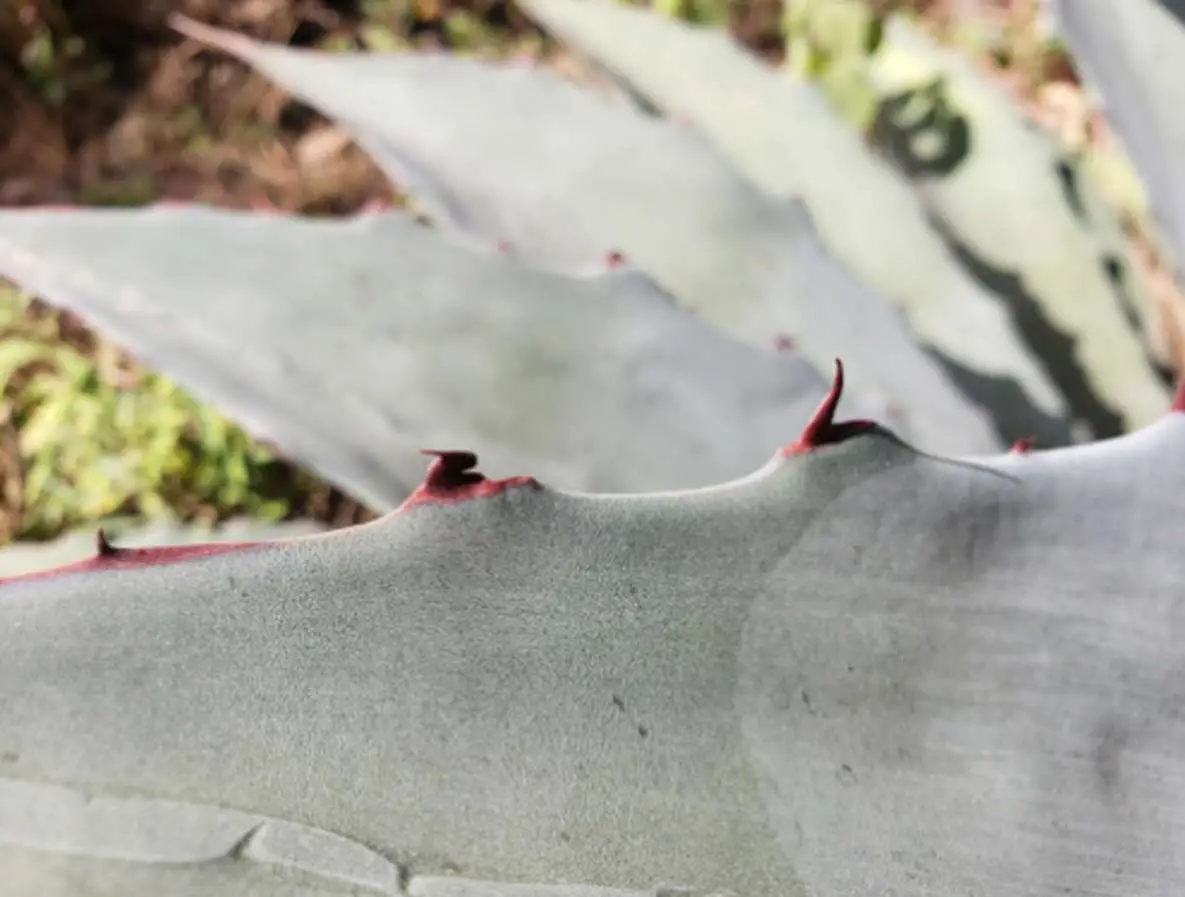
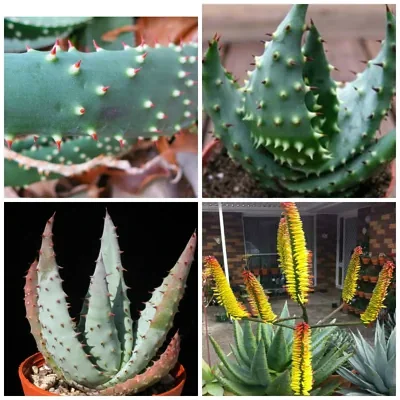
Growing Agave americana is almost embarrassingly easy. It demands sun—at least 6 hours daily—and well-draining soil (sandy, rocky, loam-based: the plant thrives in arid and semi-arid climates and loathes waterlogged roots). Water sparingly once established; this is a succulent that stores its own reserves. It tolerates heat extremes and cold down to about 20°F (zone 8–11). The plant grows steadily into a rosette 6 feet tall and 8–10 feet wide, its blue-green leaves edged with sharp terminal spines and armed with marginal teeth—beautiful and architectural. Then, after 10–25 years (depending on climate and care), something extraordinary happens: a single flower stalk erupts from the center, climbing 15–30 feet skyward, adorned with hundreds of greenish-yellow flowers that attract bats, bees, hummingbirds, and moths. That bloom is your signal. If you want pulque, harvest before flowering. If you want the spectacle—and you should—let it flower. After blooming, the main rosette dies, but it leaves behind pups (offshoots) to continue the lineage. You can propagate from seeds or offsets.
Sow Agave americana from seed and you’re planting possibility. In warm climates, germination is high and growth steady. You’re not buying a convenience—you’re buying destiny. Years from now, you’ll stand in your garden, watching a 30-foot stalk crowned in yellow flowers reach toward the sky, and you’ll understand why the Aztecs called this plant noble. You’ll have pulque fermenting in earthenware. You’ll have guests asking what that magnificent thing is. You’ll have a living testimony to resilience, utility, and the marriage of aesthetics and survival. This is agriculture as art. This is the plant that doesn’t just grow—it transforms everything around it.
Only logged in customers who have purchased this product may leave a review.
Reviews
There are no reviews yet.