Description
Imagine harvesting your own pink peppercorns—the jewel of gourmet cooking—right from your garden.
Schinus molle, the Peruvian pepper tree, traces its ancestry to the arid Andes Mountains and desert regions of Peru, Bolivia, and Argentina. Known locally as “molle” (from the Quechua word mulli), this tree has fed civilizations for centuries. The Incas fermented its fruits into chicha, a sacred beverage, while shamans valued its leaves for ritual use. Despite its “false pepper” nickname—it’s unrelated to true black pepper—this tree holds its own magnificent identity.
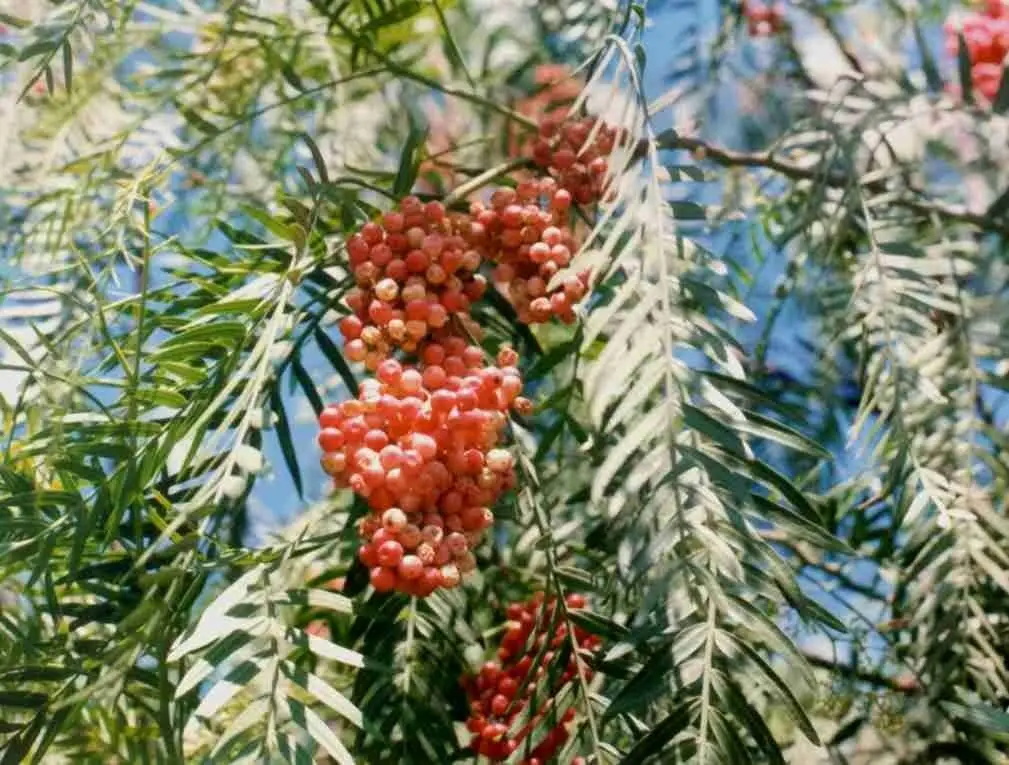
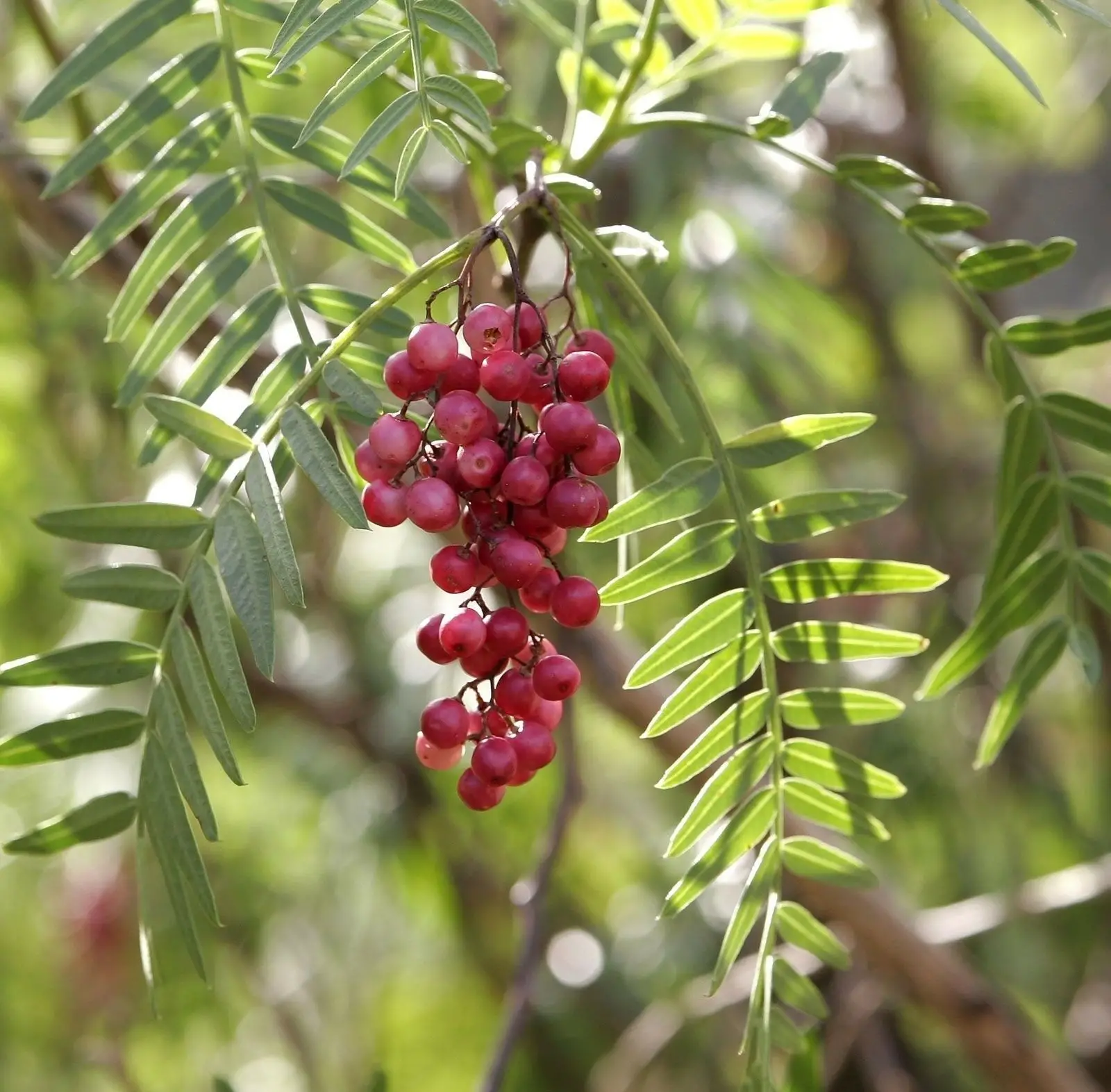
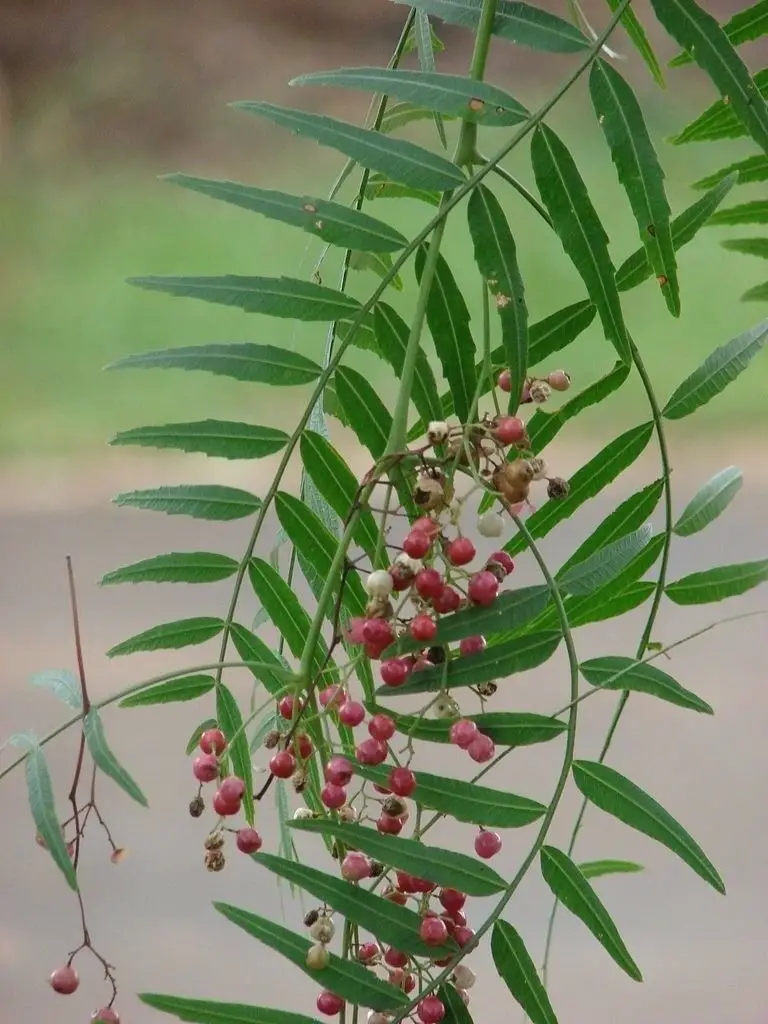
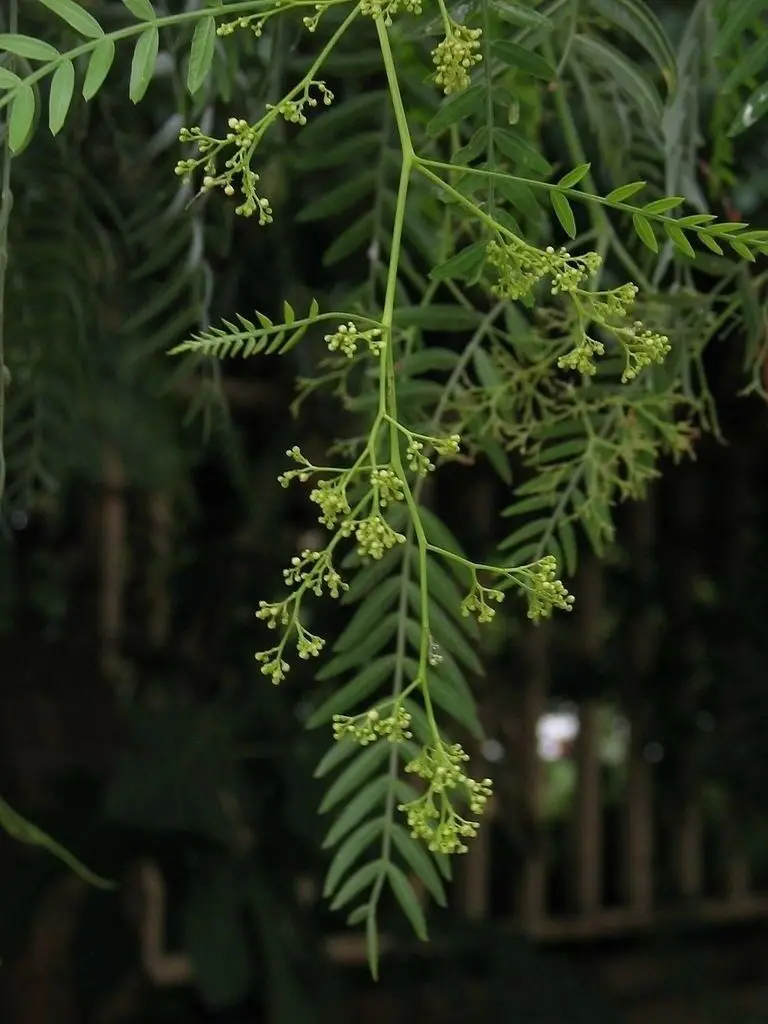
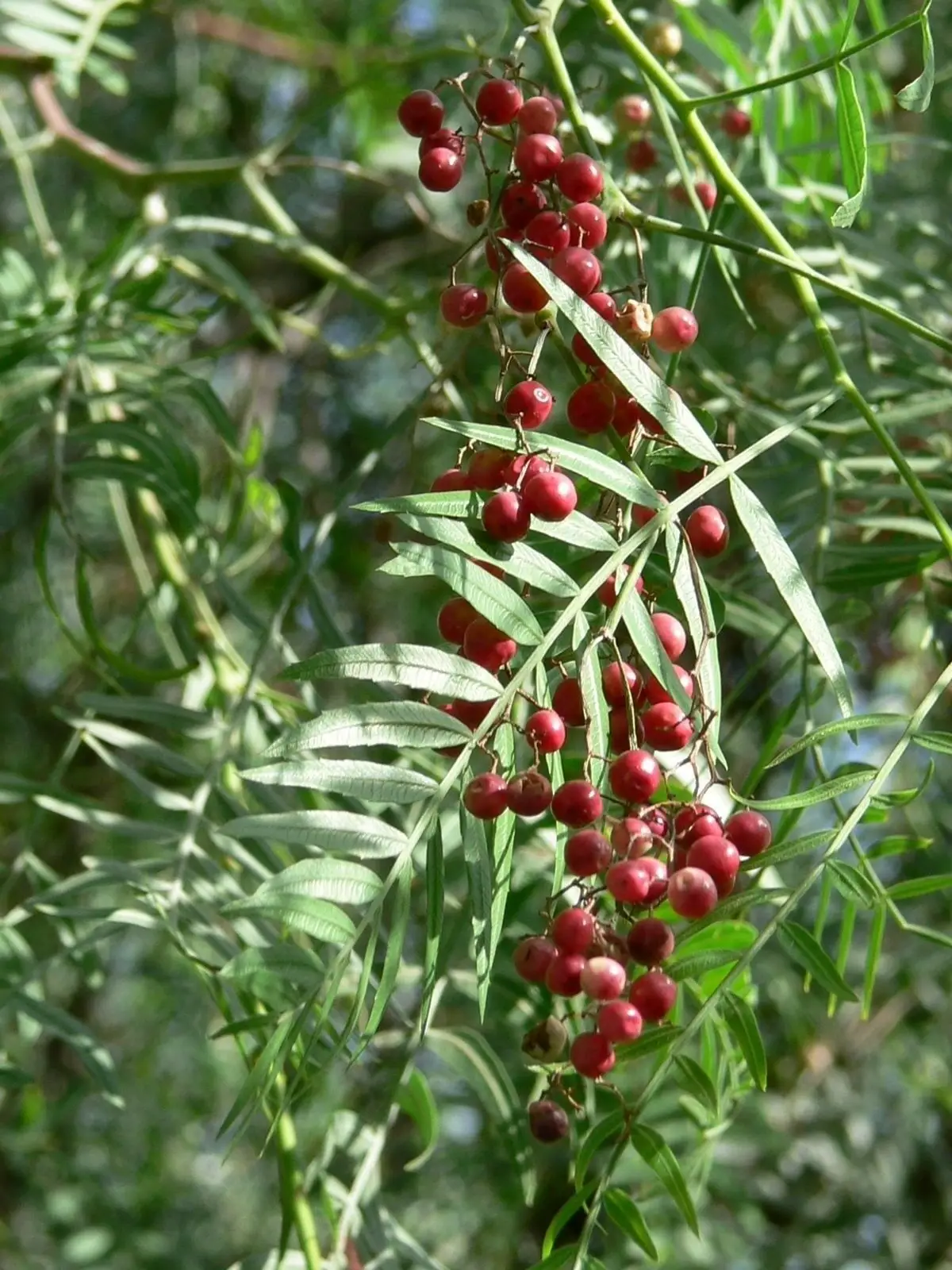
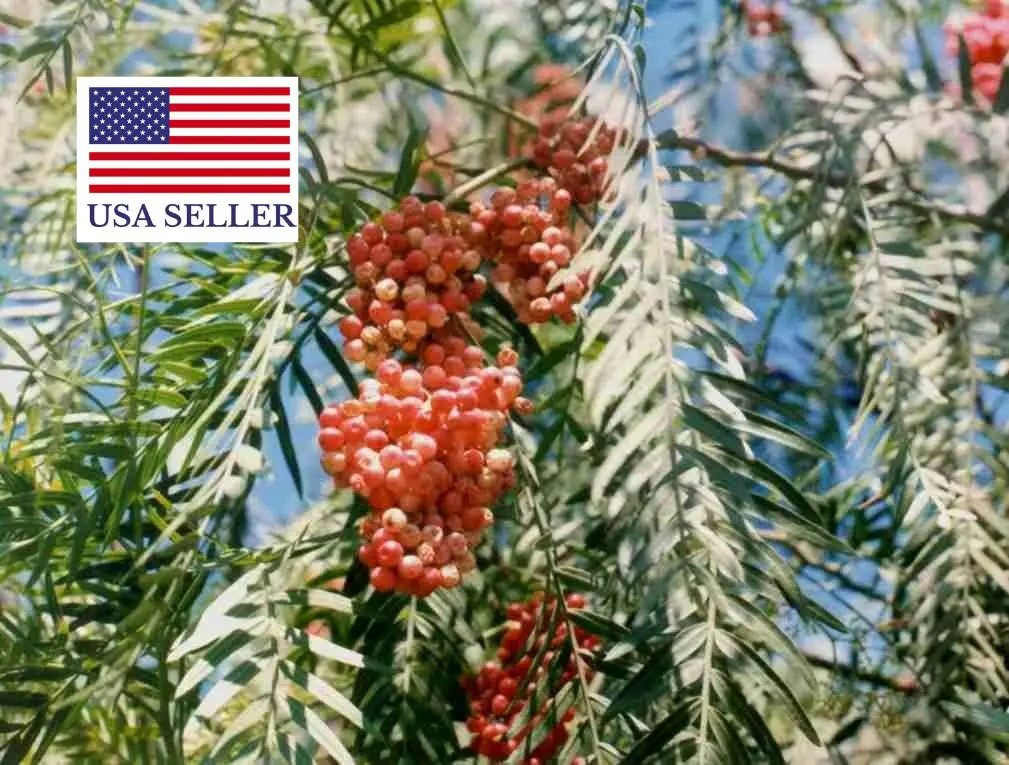
But here’s what truly sets hearts racing: your own supply of pink peppercorns. Unlike the Brazilian pepper (a different, inedible species), Schinus molle’s berries are culinary gold. Harvest the small, papery rose-pink drupes and dry them to create a milder, sweeter alternative to black pepper with a distinctive fruity-resinous character. Chefs prize them for ceviches, cocktails, and fine plating—each berry a flash of color and sophisticated flavor. The whole plant offers more: leaves and bark have long been used in traditional medicine for anti-inflammatory, antimicrobial, and antidepressant properties, while the tree itself yields compounds for cosmetics and perfumery. You’re not just growing a tree; you’re growing a pharmacopoeia and a spice garden combined.
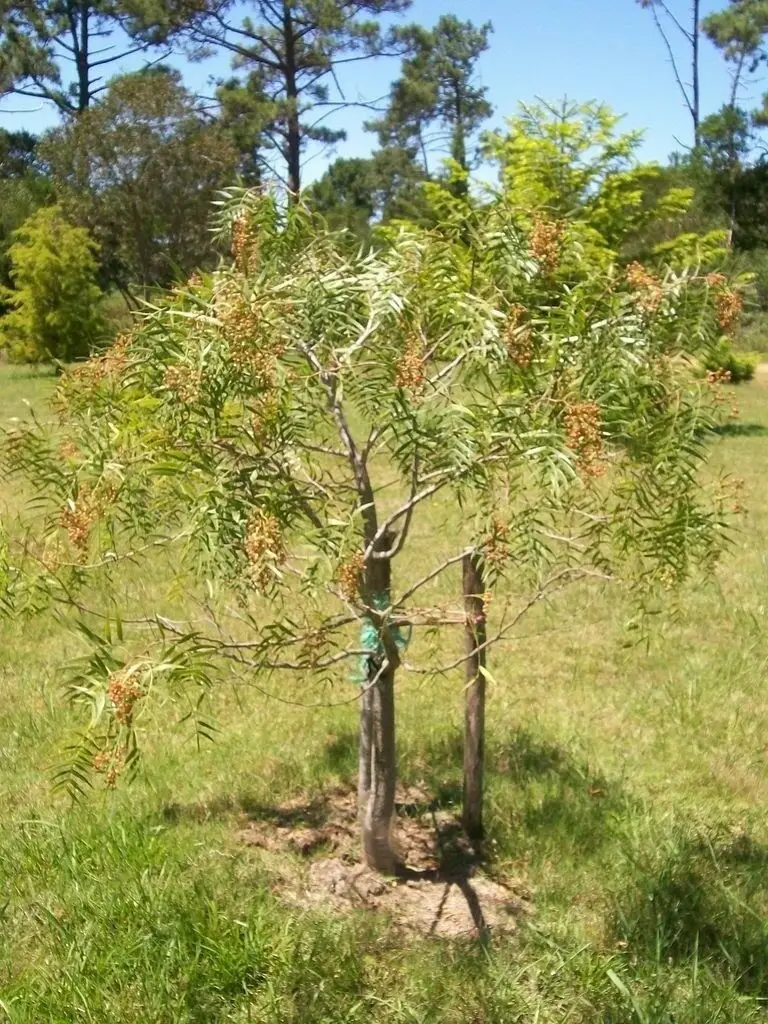
Growing Schinus molle is wonderfully easy. It thrives in full sun and prefers well-drained, sandy soil—but honestly, it’s forgiving of poor soils and tolerates drought once established. In USDA zones 8b–11, water occasionally during the growing season; mature trees laugh at dry spells. Plant in containers or ground; the feathery, weeping foliage adds grace to any space. Fast-growing and hardy, it reaches its prime in less than twenty years. Note: this is a dioecious tree (male and female plants exist separately)—choose a female if you want the ornamental berries and culinary harvest.
Start from seed now and watch a legendary South American tree unfold its delicate, fern-like canopy before your eyes. In a few seasons, you’ll be harvesting pink peppercorns that rival anything a specialty spice merchant can offer. This is heirloom gardening with immediate, delicious rewards.
Germination Guide
🌍 Peruvian Andes to southern Brazil, Argentina, and central Chile
Easy
Schinus molle, commonly known as Peruvian pepper tree or California pepper tree, is a fast-growing evergreen native to the arid Andean highlands of South America. Seeds display physiological dormancy with a water-impermeable endocarp, but germination is readily improved by acid scarification or soaking in warm water. This drought-tolerant species germinates quickly at warm temperatures with light and moderate moisture, making it relatively easy to propagate from seed.
Germination
Germination time
Expect germination in
14 – 42 days
Temperature
Min 20°C
Ideal 25°C
Max 27°C
Substrate moisture
💧 Medium
Seed Pre-treatment
-
💧
Soaking — 24 hours
Soak seeds in warm water for 24 hours to soften the seed coat and simulate passage through bird digestive systems.
-
🔨
Chemical scarification
Acid scarification (sulfuric acid) or soaking in warm water for 24 hours significantly improves germination rates. Scarification breaks the water-impermeable endocarp.
-
📋
Additional notes
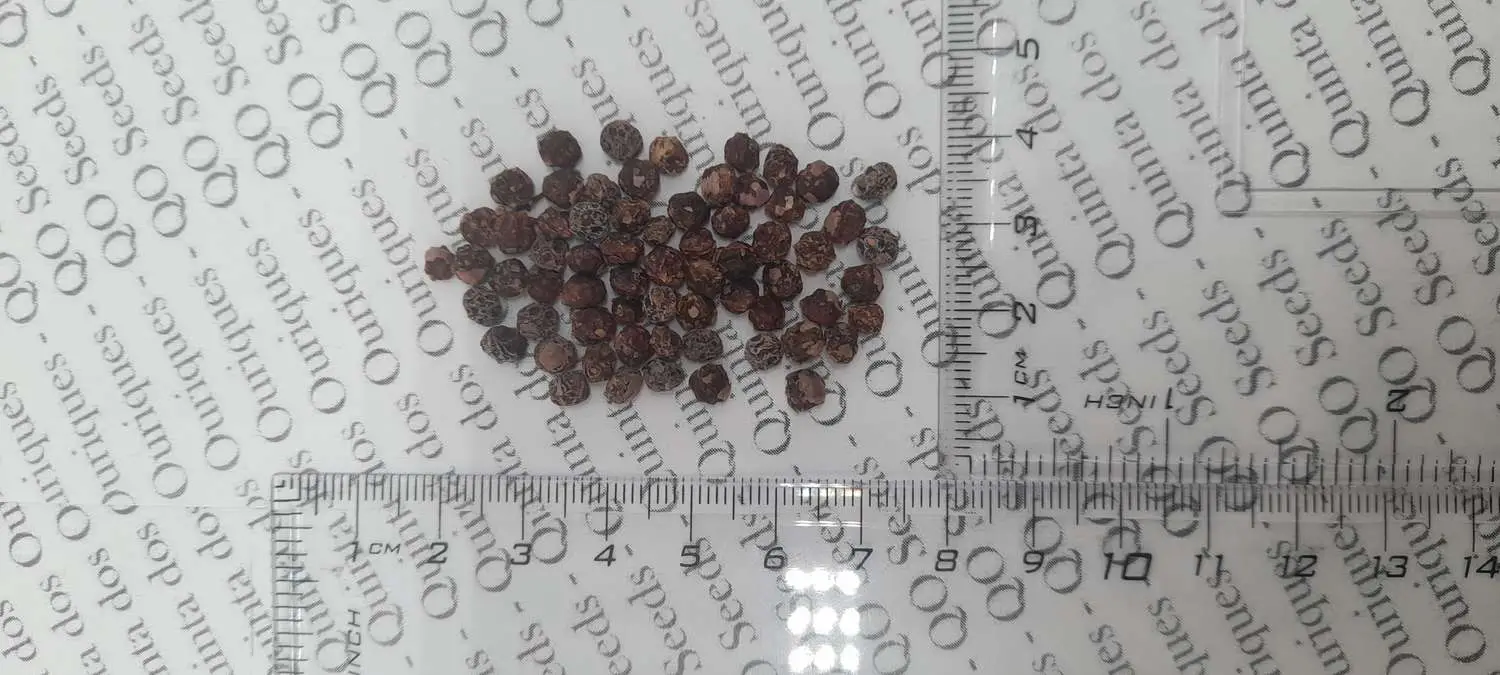
Use well-draining, light, porous substrate free of pathogens. Sandy potting mix or perlite recommended. Remove pulp from seeds before sowing.
Substrate & Container
Recommended substrate
well-draining sand, perlite, or loamy soil mix
Recommended container
plastic pot with transparent lid or seed tray
Growing Tips
Seeds are positively photoblastic and require light for germination. Separate seeds by specific gravity before sowing—heavier seeds that sink have higher viability. Use continuous light at 25°C for best results. Maintain consistent moisture but avoid waterlogging. Dry storage for 3 months or longer before sowing improves germination parameters. Young seedlings grow slowly until established; provide protection and gradual acclimatization before transplanting outdoors. Avoid strong alkaline soils. Fresh seeds germinate better than old seeds.
Only logged in customers who have purchased this product may leave a review.



Reviews
There are no reviews yet.